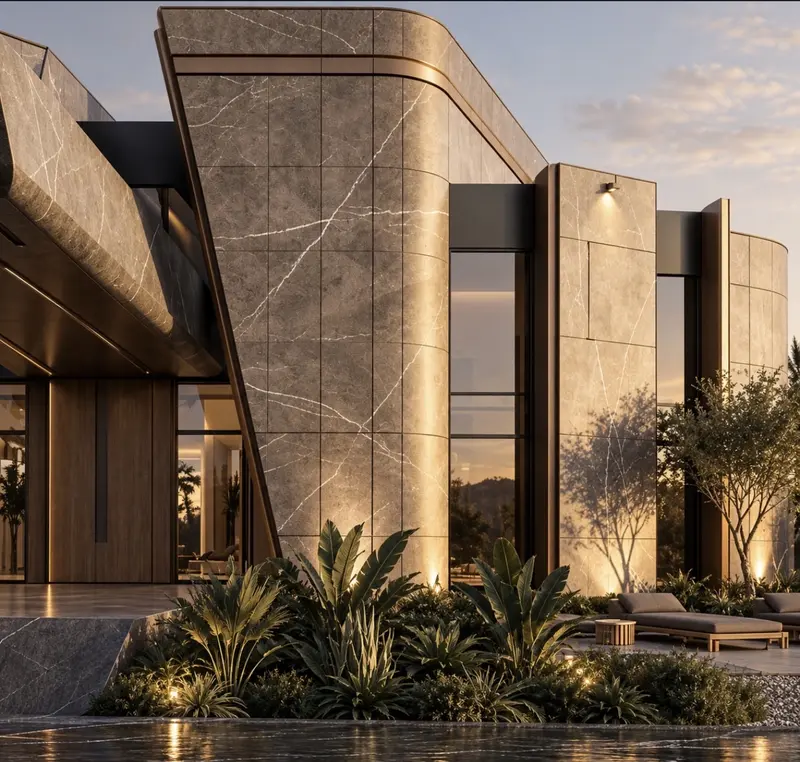
Every construction project has a brief moment when it looks its best: works complete, site clean, finishes new, and operations not yet started. Within days or weeks it passes to the owner, furniture and equipment arrive, daily use begins, and access for photography may become difficult or restricted. Contractors often miss this moment because the team is busy with handover procedures, snag lists, and the next project.
Months later, when the company needs to update its profile or website or present to a client planning something similar, it discovers it has only a few phone snapshots that do not reflect the quality of the work. This article explains why before-and-after handover photography is a worthwhile investment and how to plan it.
What Before and After Handover Photography Means
Pre-handover photography is a professional session after main works are complete and before the owner takes over, documenting the project as you delivered it: clean, complete, and ready. Post-handover photography takes place after operations start, showing the project doing its job: a school with students, a hospital receiving patients, a plant running, a residential compound with residents.
Each has different value, and together they tell the full story from both delivery and impact.
Why Pre-Handover Photography Matters
Capturing Workmanship at Its Best
Before handover, finishes are pristine and spaces are free of distractions, making it possible to show detail clearly: finishing precision, façade quality, tidy MEP installations, and landscaping.
Marketing Material That Lasts for Years
Professional images of a completed project join your marketing archive and serve your website, profile, proposals, LinkedIn, and exhibitions, typically remaining usable for a long time.
Supporting Internal Records
The images can also support internal project records. Keep a clear distinction, however, between marketing photography and formal technical documentation required by contracts and acceptance procedures.
Why Photograph After Handover Too
Post-occupancy photography shows the project alive. Owners evaluating a contractor care not only about how a building looks but how it performs. A learning space in use, a busy hotel lobby, or a plant at full operation tells a stronger story than an empty room.
It can also strengthen your relationship with the owner if images are shared by prior agreement, since they help market the owner's project too. Always obtain the owner's consent and respect user privacy and facility rules.
What the Sessions Should Cover
- Exterior wide shots: showing context and true scale, timed for good light.
- Aerial shots: by drone where appropriate, with required permits.
- Façades and entrances: the first thing visitors see.
- Key interiors: lobbies, halls, corridors, and signature spaces.
- Technical details: fine finishes, metalwork, and lighting.
- MEP rooms: organized plant rooms that reveal normally hidden quality.
- Night shots: when lighting is part of the design.
- Video: a short walkthrough or a construction-to-handover film.
Combined with progress documentation from day one, this gives you a complete visual story. Corporate video production can turn that material into a concise project film.
How to Plan the Sessions
- Agree with the owner early: include photography and publication rights in your correspondence or contract.
- Schedule within the handover plan: after final cleaning, before furniture and equipment move in.
- Prepare the site: remove debris, temporary equipment, and unnecessary signage; make sure lighting works.
- Coordinate with the project team: for access and safety compliance during the shoot.
- Use a specialist: experienced in architectural and construction photography.
- Plan a return visit: after operations begin.
Our project photography team handles this end to end, from planning to delivery in formats suited to each channel.
Avoid common mistakes: postponing the shoot until after the owner moves in, settling for a rushed session in poor light, or forgetting to coordinate access with facility security in advance. A few days of early planning prevents all of these.
Putting the Images to Work
Images sitting on one employee's laptop help nobody. Archive them by project and sector, refresh your website, profile, and proposals regularly, and share them gradually on LinkedIn with a short project story and credit to the team. See how this fits into broader marketing for contracting companies.
Conclusion
Handover happens once, and professional images captured then testify to your quality for years. Add post-occupancy images and you have a complete story that convinces owners and consultants of both your capability and the value of what you build.
If you have a project approaching handover, request a proposal and make sure it is documented the way it deserves.