When a developer launches an ad campaign for a new project, most of the thinking goes into the ad itself: the visual, the headline, the audience and the budget. Yet what happens after the click usually decides whether the campaign produces serious enquiries or just passing traffic. The landing page is where a prospective buyer decides whether the project deserves their contact details, or whether to close the tab and keep searching.
In a Saudi market where new projects are launching across Riyadh, Jeddah and beyond, and where buyers weigh off-plan units against ready homes, a good-looking page is no longer enough. You need a page built around a clear goal, aimed at a specific buyer, that answers their questions before they ask. Here is a practical way to choose and evaluate the right landing page for your project.
Start With the Goal, Not the Design
The first question is simple: what single action do we want the visitor to take? A page built to book sales-centre visits is different from one that collects pre-launch registrations, and both differ from a page aimed at investors looking for rental yield. Each goal implies a different content order, a different form and a different tone.
A common mistake is loading one page with every possible action: download the brochure, message on WhatsApp, book a visit, subscribe to updates. Too many options dilute the decision. Choose one primary action, with at most one secondary option for visitors who are not yet ready to talk.
One Page per Project, Not a Generic Company Page
Sending ad traffic to the corporate homepage feels convenient, but it drops visitors into menus, other projects and news items unrelated to what they clicked. An effective landing page is built for one project, sometimes for one segment within it, such as villas, apartments or retail units.
That does not replace the corporate website. The website builds the developer's reputation and track record; the landing page turns interest in a specific project into a concrete next step. A discreet link to the developer's background can reassure visitors without becoming an exit.
What a Real-Estate Landing Page Must Include
Whether your page is built in-house or by an agency, check that these elements are clearly present:
- A headline that states the value: not just the project name, but what sets it apart, such as location, unit types or community concept.
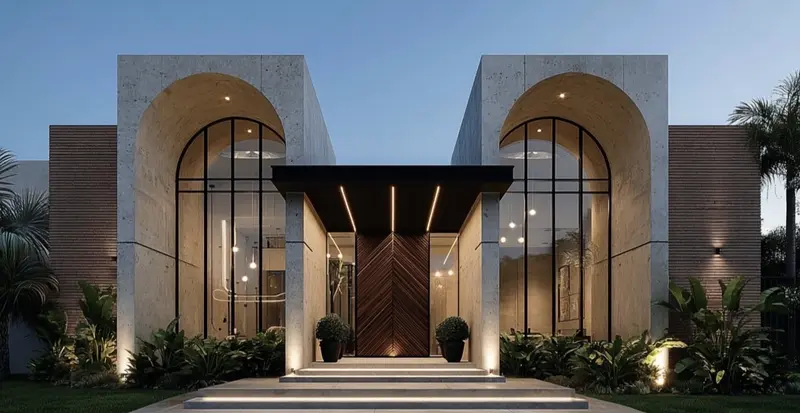
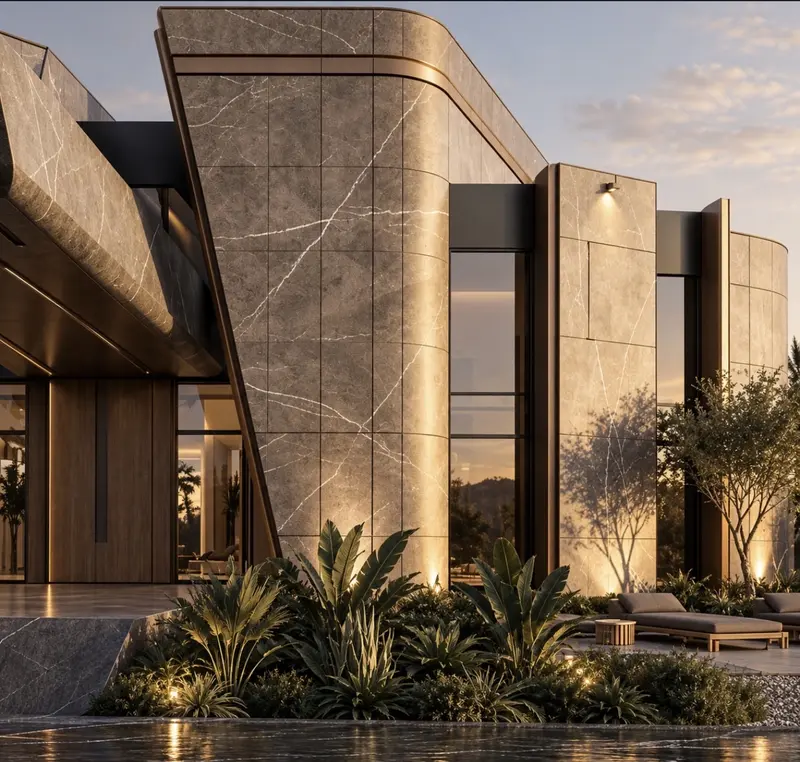
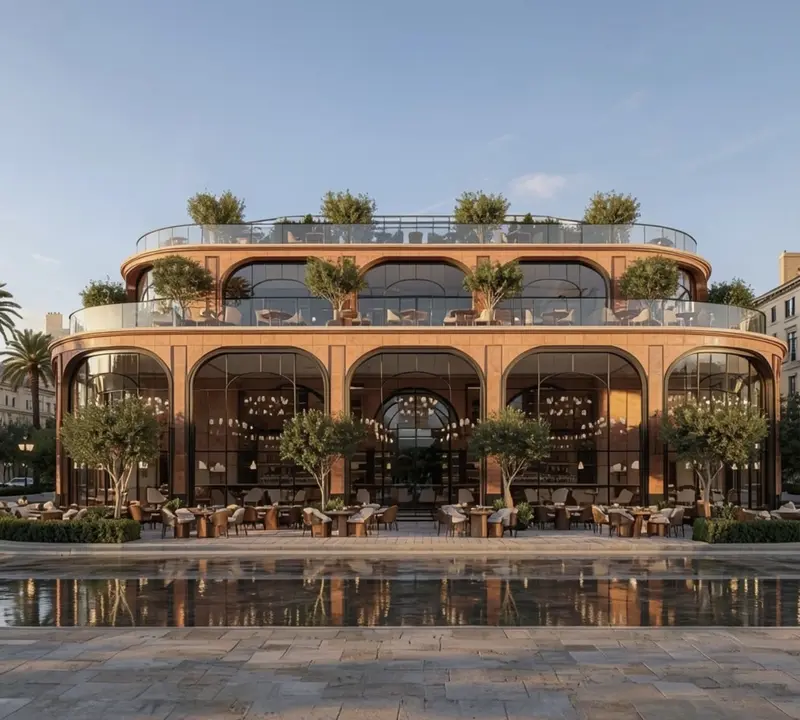
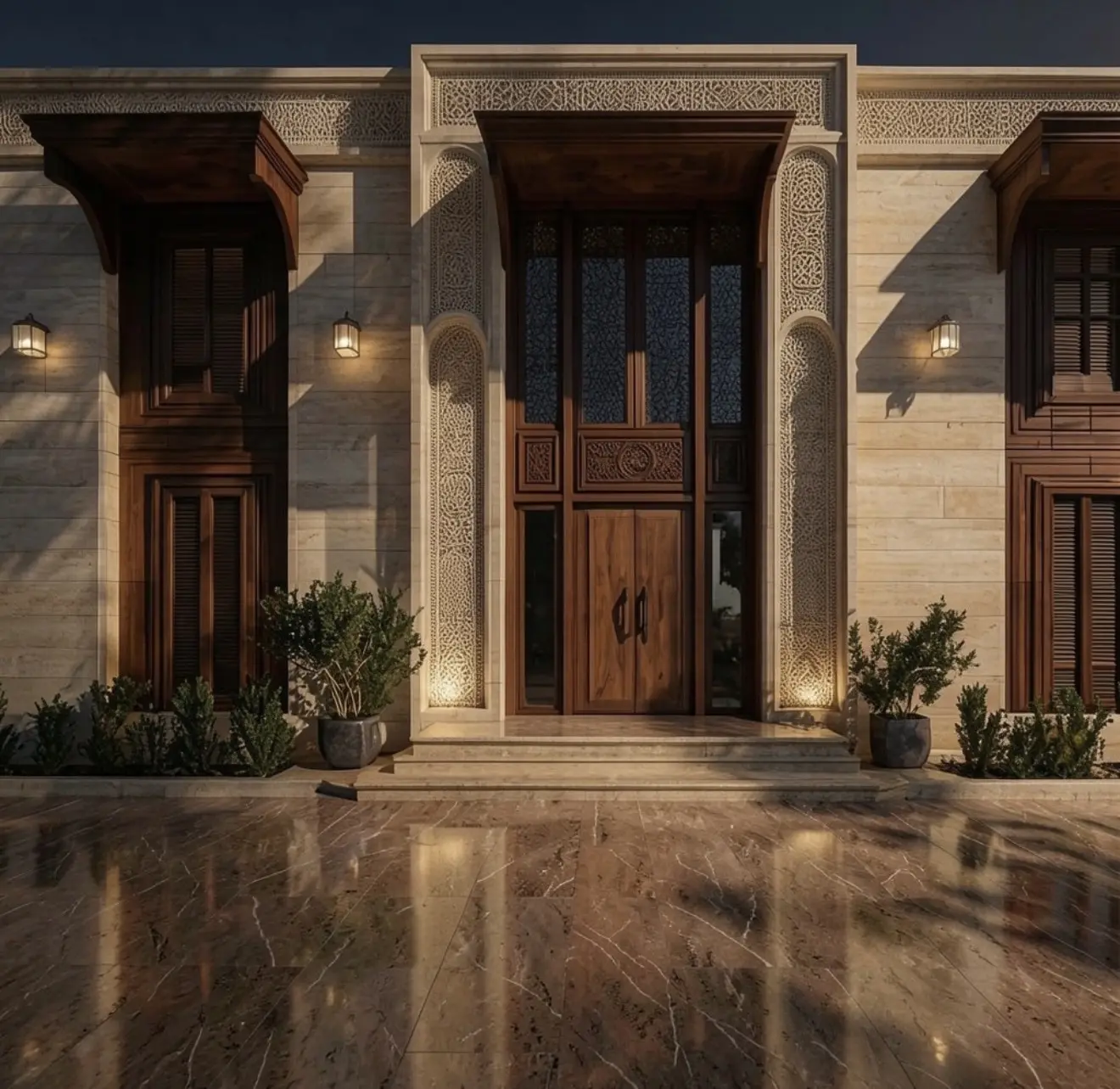
- Real, high-quality visuals: polished 3D renders for off-plan projects, or genuine photography of construction progress and show units.
- Location information: a clear map and distances to main roads and amenities, without exaggeration.
- Unit types and sizes: a short table or cards, with the option to request detailed floor plans.
- Payment and financing: accurate wording that reflects what is actually available, especially for off-plan sales.
- Trust signals: developer information, past projects and publicly declared licences where regulations allow.
- A short form: asking only for what the sales team needs, with prominent call and WhatsApp buttons on mobile.
Mobile Experience Is Not a Detail
Most clicks from social and search ads arrive on a phone, so evaluate the page on mobile first. Load speed matters: heavy images and autoplay video can slow a page enough that visitors leave before seeing anything. Check that the form is easy to complete with one thumb, buttons are obvious, pop-ups do not cover the content, and the main contact button stays visible while scrolling.
Visual Content Is the Project's Language
In real estate, buyers purchase a picture of their future life or investment before they purchase square metres. Stock imagery or careless renders suggest a project that is not ready or a developer who overlooks details. Professional project photography of construction stages, show units and amenities gives the page authentic material. As work progresses, updating the page with fresh images reassures off-plan buyers in particular.
Connect the Page to the Campaign and Measure It
The message in the ad should match what visitors see at the top of the page. If the ad promotes three-bedroom apartments in a particular district, the page should not open with villas or a generic overview.
Technically, the page should be measurement-ready from day one: platform tracking, form submissions, call and WhatsApp clicks, and each lead linked to its source campaign. That link is what lets a performance marketing team move budget toward channels and messages that bring serious enquiries rather than just clicks.
Test Before You Scale
No page is perfect at version one. Test two headlines, two content orders, or a short form against one that asks which unit type the visitor prefers. Structured testing with enough traffic and time leads to decisions based on behaviour rather than opinion.
Questions to Ask Before Sign-Off
Review the page with sales and marketing together, from the buyer's perspective. Can a visitor understand within seconds what the project is, where it is and who it is for? Is pricing shown, or is its absence justified? Does the visitor know what happens after submitting, and when someone will call? And is the team genuinely ready to respond quickly? Even the best page loses value if leads land with an unprepared sales team, which is why it should sit within a complete real-estate project marketing system.
Conclusion
Choosing a landing page is a commercial decision as much as a design one. The right page has one clear goal, is built for a specific project and audience, presents information honestly, works smoothly on mobile and is measured accurately. Connected to the ad and the sales team, it becomes a real tool for turning interest into sales opportunities.
If you are preparing to launch a new project and want a landing page built on a real understanding of property development, the Tashweeq team can help from concept to launch. Request your proposal and let's get started.