Launching a new real estate project in Saudi Arabia no longer comes down to a roadside billboard and a newspaper ad. Today's buyer, whether a family looking for a home or an investor seeking a rental unit, starts online, compares projects, checks the developer's reputation and studies floor plans and visuals before ever visiting a sales center. With supply expanding across Saudi cities in the Vision 2030 era and off-plan sales now common, a well-planned marketing approach is central to any successful launch.
Here is a practical framework, from pre-launch through sales follow-up.
Start before launch: understand the project and the buyer
Marketing starts not with ads but with fundamental questions. Who is the target buyer: a family buying its first home, an investor seeking yield, or a premium segment? What genuinely sets this project apart from competitors nearby: location, design, amenities, payment plans or the developer's reputation?
The answers shape everything that follows: message, channels, visuals and budget. A family-oriented project should highlight nearby schools, parks, services and privacy in design, while an investment project should emphasize rentability, proximity to business districts and post-handover management quality. Review advertising and off-plan sales requirements with your legal team, and make sure every specification, date and amenity you advertise is accurate and approved.
Build the project's identity
A successful project is treated as a brand of its own, with a name, logo, colors and personality, clearly linked to the parent developer. A good name is easy to say and remember in Arabic and English and reflects the project and its audience. A cohesive identity makes every billboard, post and brochure part of one recognizable picture. We cover this in more depth in our article on real estate project identity.
Visuals: showing what isn't built yet
Off-plan buyers purchase something they haven't seen. The visuals effectively become the product they experience, and their quality shapes trust. Key assets include:
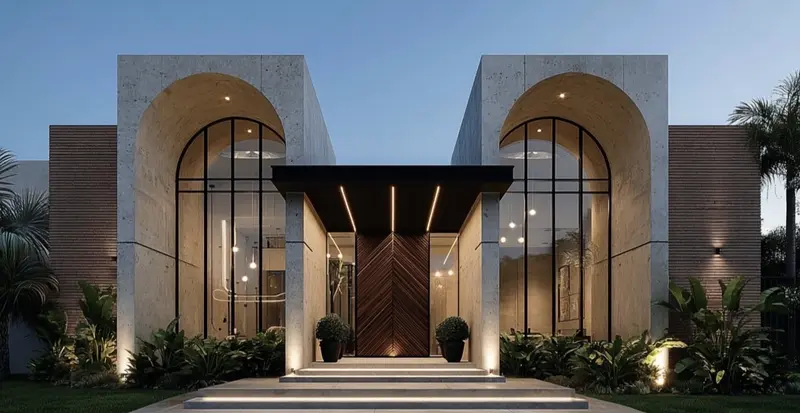
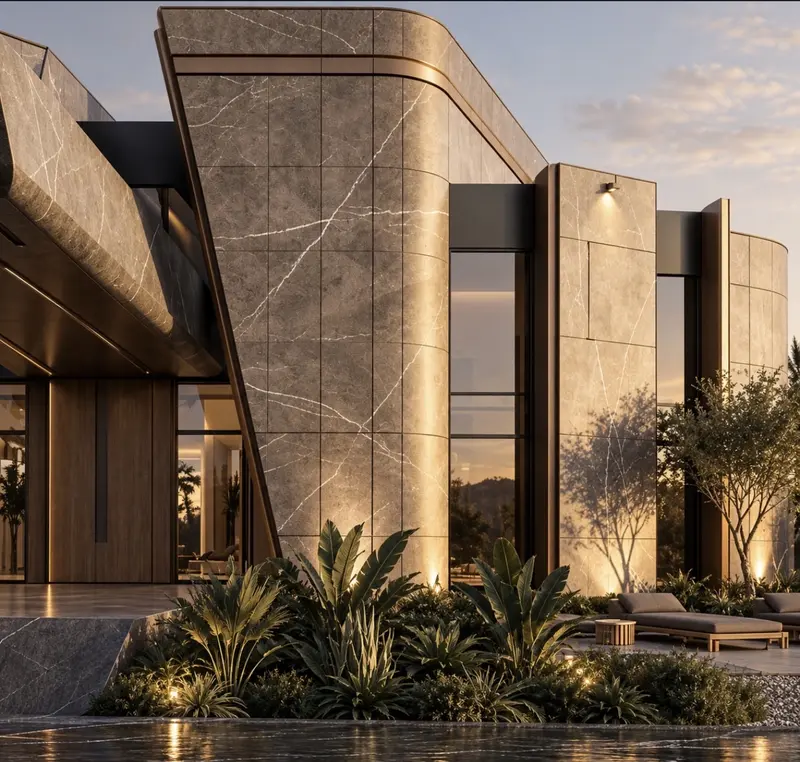
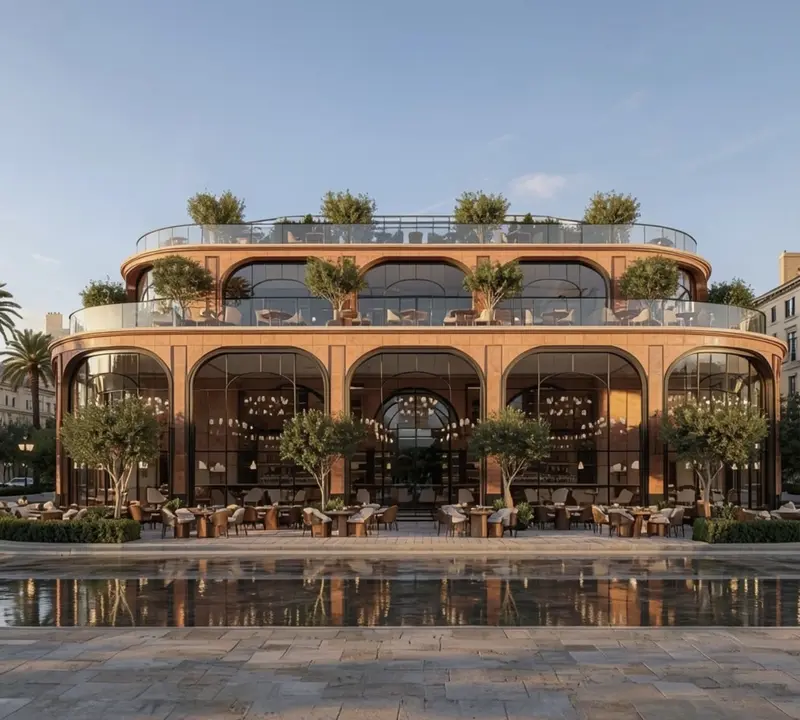
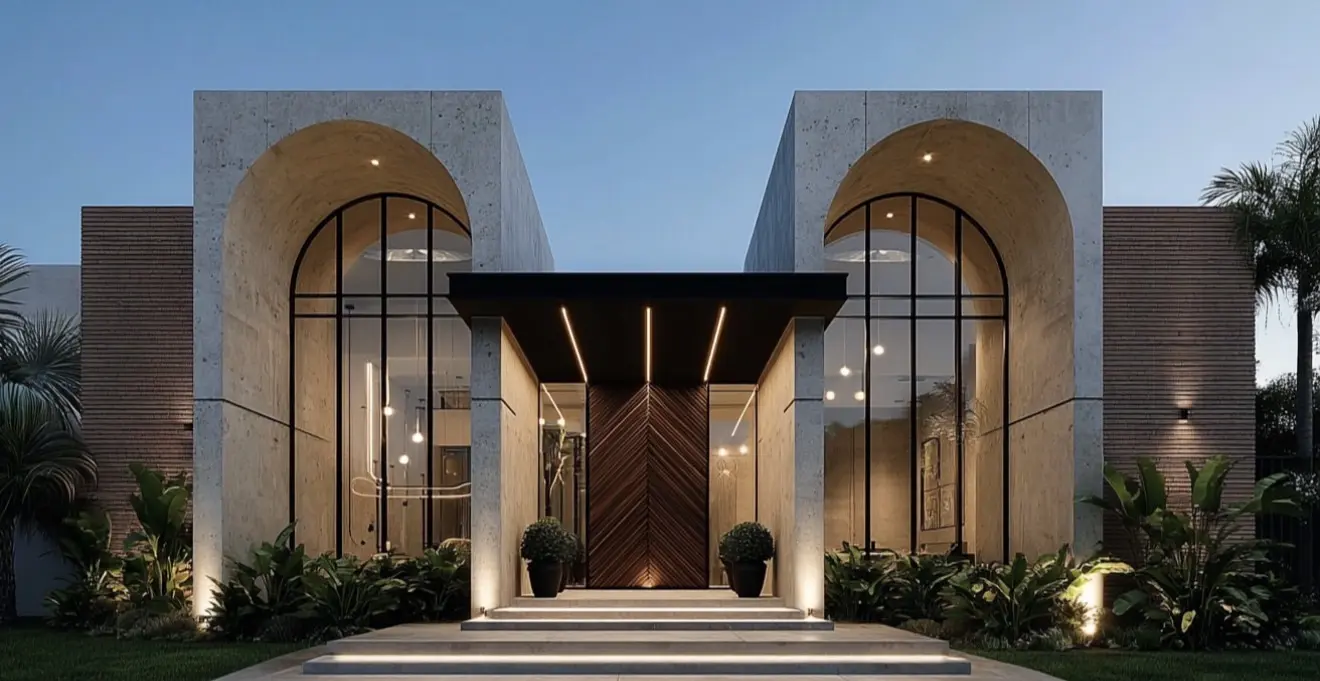
- 3D renderings: facades, entrances, amenities and interiors, realistic and faithful to what will actually be built.
- Clear floor plans: for each unit type, with areas and layouts a non-specialist can understand.
- A project film: showing the location, surroundings and expected lifestyle, for ads, the sales center and social channels.
- A project brochure: print and digital, with key information, plans, payment options and contacts.
- Site and progress photography: once construction starts, documenting real progress reassures existing and prospective buyers.
Keep visuals honest. A gap between what buyers see in ads and what they receive damages the developer's next projects.
The project's online home
Every project needs a clear digital destination: a landing page or dedicated site with location map, unit types and plans, amenities, gallery and video, payment plans where they can be published, a simple registration form and direct call or WhatsApp buttons. Mobile speed is critical since most ad traffic arrives on phones. Connect the page to analytics and your CRM so sales knows where every enquiry came from.
Channels and launch plan
A launch campaign typically runs in three phases: a teaser phase to build anticipation and a list of interested buyers, the official launch revealing details and opening reservations, and a sustain phase to maintain momentum as sales and construction progress. Digital channels include search ads reaching people actively looking in the area, social ads targeting specific segments and specialist property portals. See our performance marketing service. Traditional channels still matter: site hoardings, the sales center, events and broker networks, who need ready, current materials too. Campaigns don't guarantee a number of sales, but well-run ones reach the right audience and bring more serious enquiries.
Connect marketing to sales
Marketing effort is often wasted when enquiries arrive and aren't followed up quickly. Marketing and sales should agree on:
- Response time, ideally within a few hours.
- Lead qualification by seriousness, unit type and budget.
- Standard follow-up messages and ready materials for the sales team.
- Regular reviews of which sources bring the best leads, shifting budget accordingly.
Conclusion
Marketing a new project is an integrated process: understand the buyer, differentiate the project, build its identity, produce honest and persuasive visuals and run campaigns tied closely to sales. The more these align, the more trust the project earns. Learn more about our real estate project marketing and our work with developers.
Have a new project ready to launch? Request a proposal and the Tashweeq team will build the launch plan with you.