Every project has a moment when a buyer or investor sees it for the first time, and that moment is usually a photograph: in a social ad, on a landing page or in a brochure picked up at a property exhibition. First impressions are hard to undo. Real-estate and architectural photography are therefore not last-minute tasks but a strategic part of marketing a project and building a developer's long-term reputation.
The two terms are often used interchangeably, but they differ in purpose and approach. This article explains the difference, what developers need at each stage, and how to plan a shoot that delivers.
Real-Estate vs Architectural Photography
Real-estate photography serves sales and leasing. It helps buyers understand a unit: its size, layout, light and amenities. Images must be clear, informative and accurate because they feed a direct purchase decision.
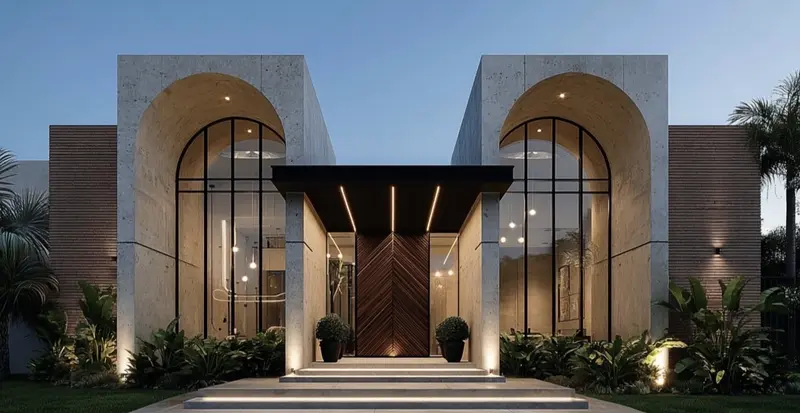
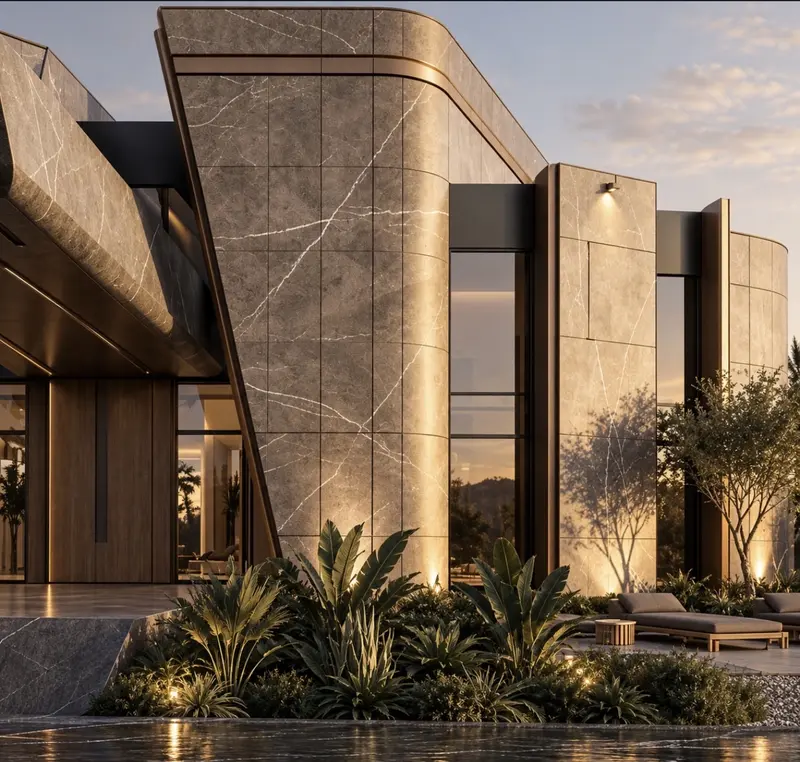
Architectural photography treats the building as a design work, focusing on lines, composition, materials and the interplay of form, light and context. Developers need it to showcase design quality, and engineering firms and contractors need it for company profiles and project portfolios. A successful project needs both: images that sell units and images that position the project and developer as a brand of value.
What You Need at Each Stage
Before Construction
Off-plan marketing relies on 3D renders, but real photography still matters. Aerial images of the plot and its surroundings show proximity to roads, services and landmarks, giving context renders cannot. Aerials can also be combined with renders to show the project in its actual setting.
During Construction
Regular progress documentation reassures buyers, feeds social channels and builds an archive for company profiles and investor reports. Shooting from fixed points on each visit makes progress easy to compare.
After Completion
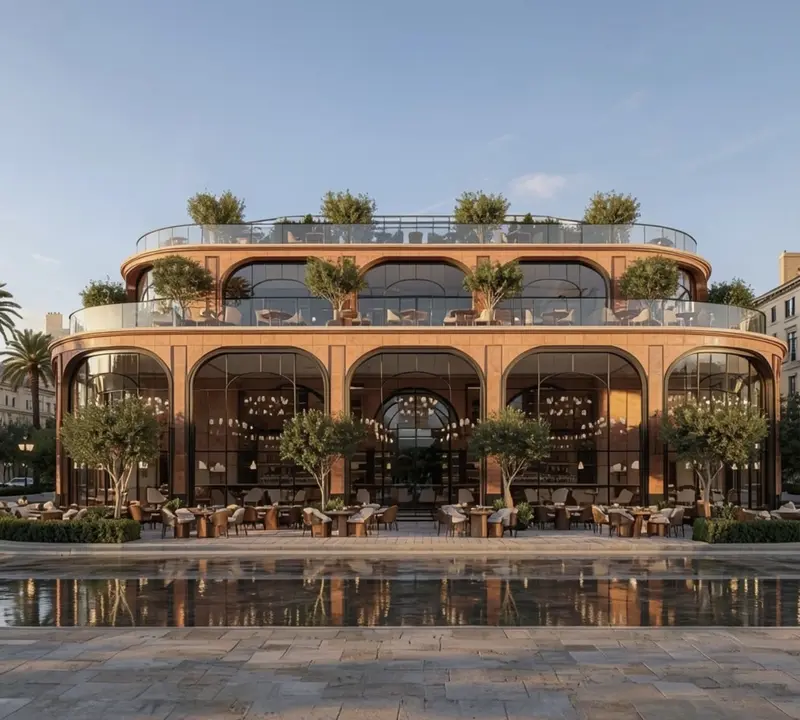
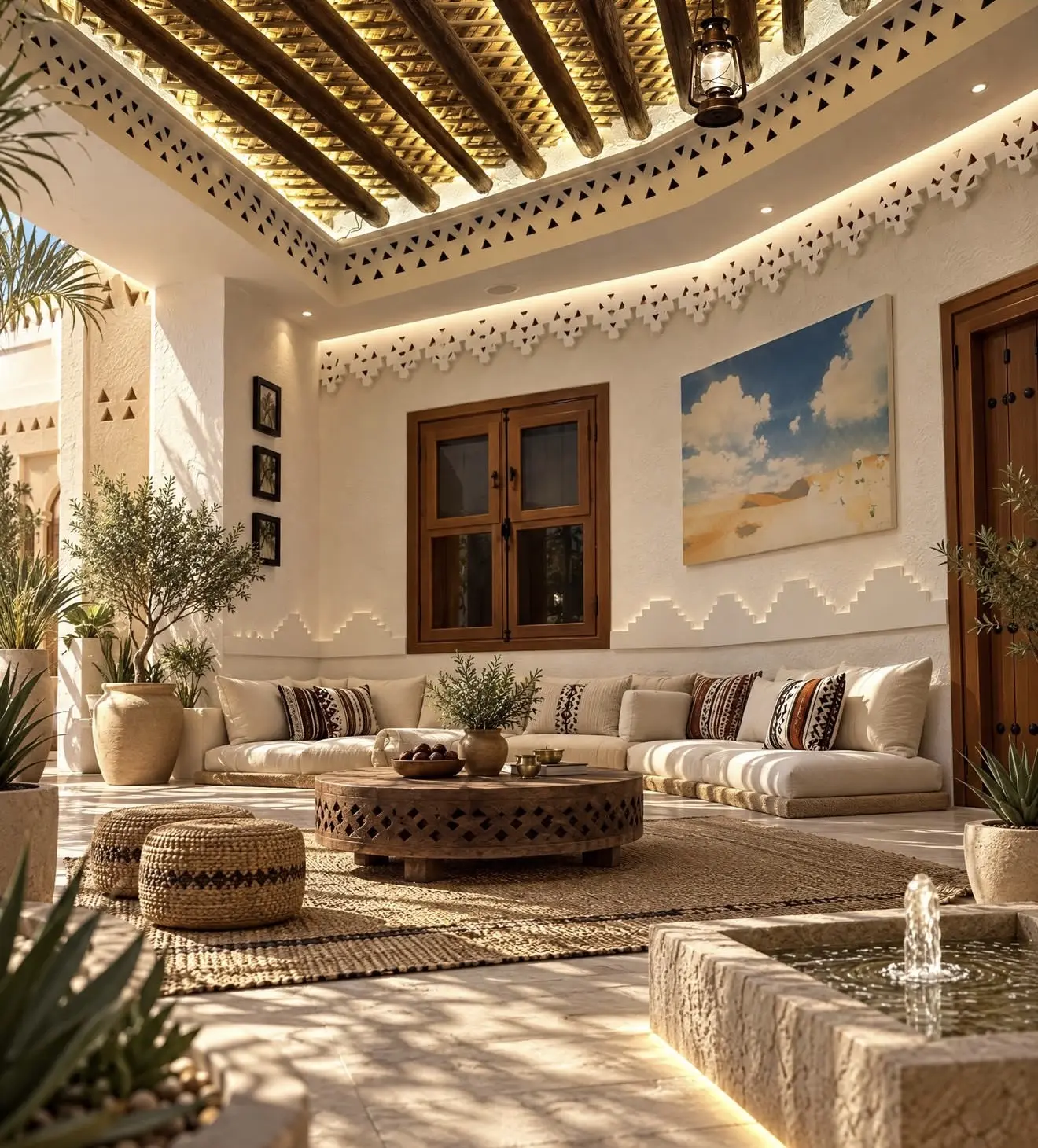
This is the most important stage aesthetically. Facades, entrances, amenities, landscaping and show units all deserve careful architectural and interior photography. These images become part of the developer's portfolio for years and support future launches.
What Makes a Professional Property Image
- Straight verticals: walls and columns should appear straight, which requires the right lenses and correction techniques.
- Controlled lighting: balancing window light with interior lighting so both the view and the room read clearly.
- Timing: facades shot in soft light or at dusk, when buildings are lit, look very different from midday shots.
- Composition: angles that show true scale without distortion.
- Preparation: styled show units, a cleared site and clean facades.
- Balanced editing: enhancing colour and light without producing an image that no longer resembles reality.
Visual Honesty Protects Buyer Trust
It is tempting to over-enhance: impossibly blue skies, rooms made to look far larger with ultra-wide lenses, or surrounding elements edited out. These may lift enquiries briefly, but they create a gap between the image and the site visit, and that gap damages trust. Show the project at its real best, and label 3D renders as illustrative. The same applies to surroundings: if a project sits beside a major road or in a district still developing, present it honestly while highlighting genuine advantages such as access and nearby services.
Planning a Successful Shoot
- Define every intended use in advance: ads, website, brochure, billboards, since each may need different formats and angles.
- Build a shot list with marketing and sales.
- Prepare the site: cleaning, working lights, landscaping.
- Obtain the required permits for aerial filming.
- Schedule around the best light, even if that means multiple visits.
- Combine with video production where possible for a consistent visual style.
Where the Images Go Next
Professional photos are a marketing asset used across landing pages, paid ads, the developer's website, brochures, billboards, exhibitions and media relations. They are also central to the company profiles and catalogues developers share with partners and financiers. Organising, naming and archiving images in high resolution matters as much as the shoot itself. It also pays to agree clear usage rights, scope and duration when commissioning a shoot, so today's project images can support future launches and corporate materials without restriction.
Conclusion
Real-estate and architectural photography is an investment in how your project and your name are seen. Good property images help buyers decide; strong architectural images build a visual legacy that serves the company for years. The difference comes from planning, technical skill and visual honesty.
If you need a partner who understands property developers and delivers professional project photography, Tashweeq is ready for your next project. Request your proposal and we will plan the shoot with you.