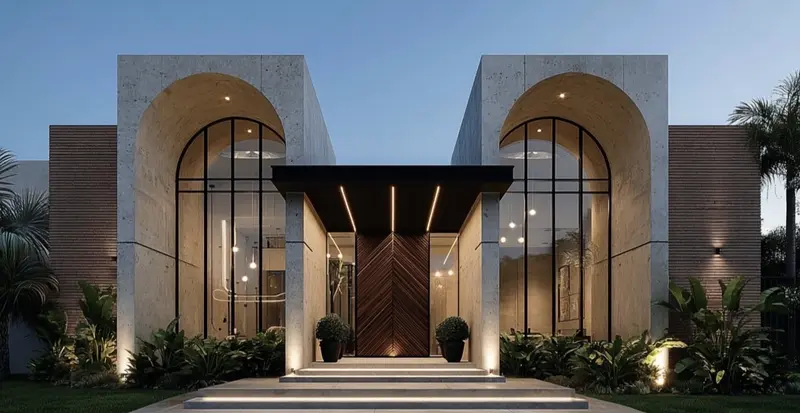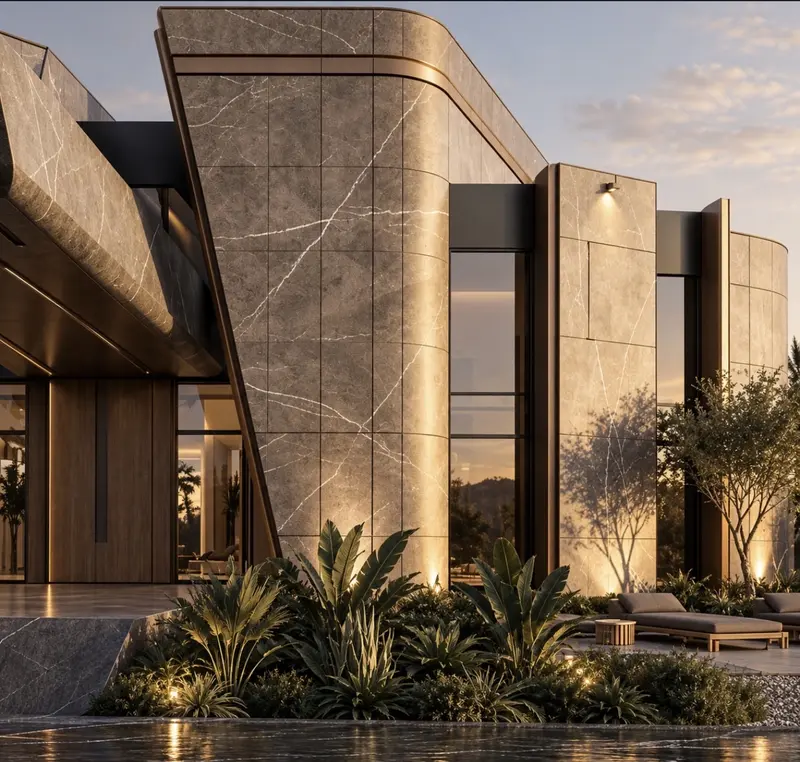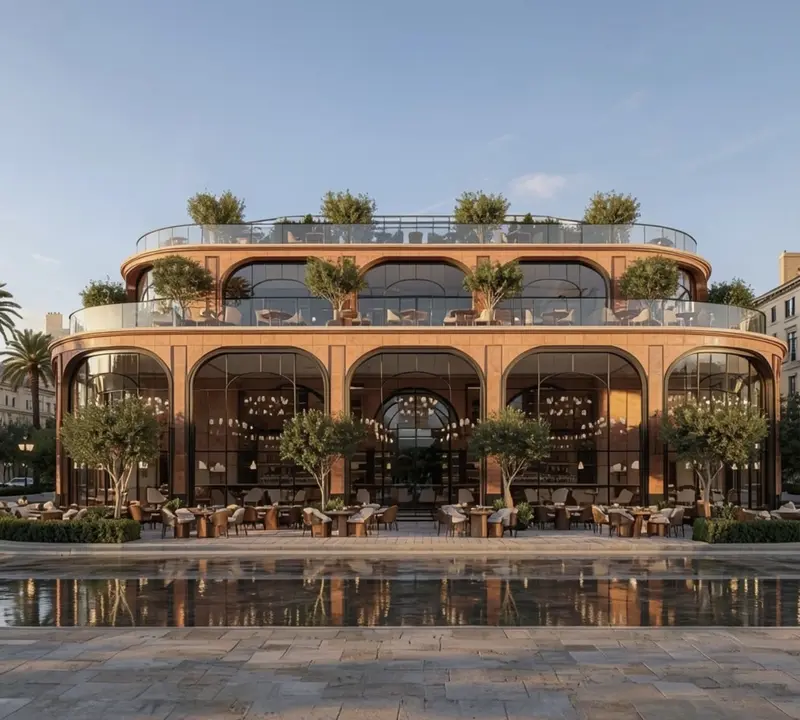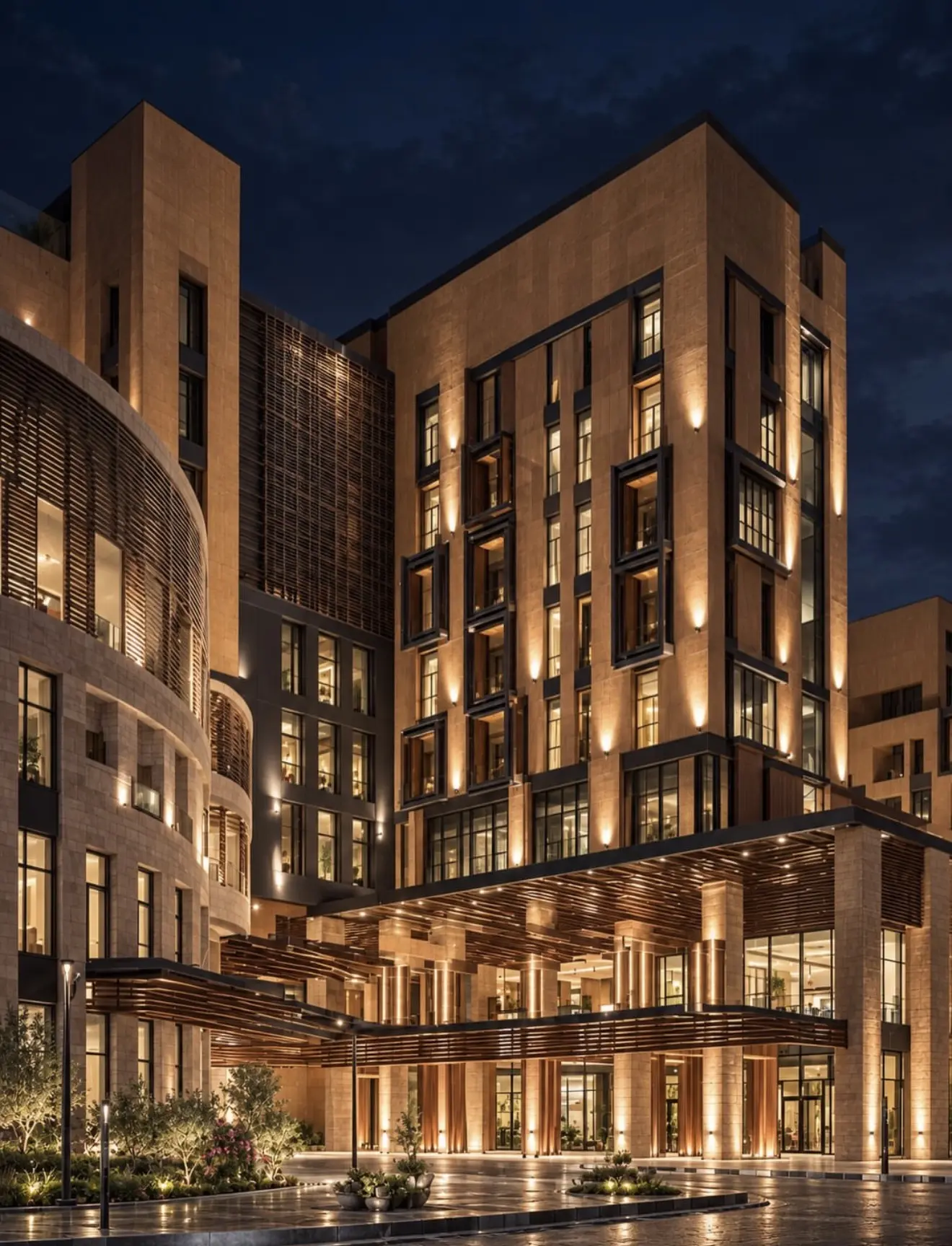
When a prospective buyer drives past a project hoarding, scrolls past an ad or picks up a brochure at a property exhibition, they form an impression within seconds. Price and size alone don't create that impression. The project's marketing identity does: its name, logo, colors, imagery style and tone of voice. With residential, commercial and mixed-use projects multiplying across Saudi cities in the Vision 2030 era, identity has become one of the most important ways to stand out in a market where offers often look alike.
What is a real estate project identity?
It is the set of elements that give a project a distinct, memorable personality. It typically includes:
- The name: what people repeat, so it should be easy to say in Arabic and English and reflect the project and its audience.
- Logo and visual mark: designed to work on large hoardings and small phone screens alike.
- Colors and typography: a consistent visual system across every material.
- Imagery style: how the project is shown, from rendering angles to lighting and mood.
- Message and tone: the core idea and how the project speaks to its audience.
- Applications: site hoardings, sales center, brochures, website, ads and wayfinding once the project is operating.
Identity is not just a nice logo; it is a system that makes every touchpoint tell the same story.
Why projects need their own identity
Standing out in a crowded market
In many new districts, projects with similar specifications and prices sit side by side. When features converge, identity is what makes a buyer remember one project and come back to it after several visits elsewhere.
Building trust in off-plan sales
Off-plan buyers are buying a promise. A well-crafted identity signals a serious developer that cares about detail; confused or contradictory materials make buyers wonder about execution too. Identity doesn't replace a developer's real delivery record, but it reflects and reinforces it.
Communicating value
Projects offering added value in design, amenities or location need an identity that expresses it. A weak identity can make a distinctive project look ordinary and make the sales team's job harder.
Life after handover
A good identity lives on with residents and the neighborhood, helping protect the project's standing in resale and rental markets.
Project brand versus developer brand
A key decision is how the project relates to the developer's master brand. Some developers make every project a clear extension of the corporate brand; others give each project a fully independent identity aimed at a different segment. Both can work, but the developer's name should always be visible, since buyers look for who stands behind the project and their delivery record. A strong corporate identity lets each new project benefit from it and add to it.
How to build a successful project identity
Start with strategy, not design
Before names or colors, define the target audience, what truly differentiates the project and the feeling it should leave. A family community in a quiet district calls for a warm, reassuring personality; a commercial tower in a business district may call for something practical and contemporary.
Choose a name that lasts
Test pronunciation and spelling in both languages, check for unwanted meanings and confirm you can register it and secure matching domains and social handles.
Design for every use
Test the system on a highway billboard, a small digital ad, sales center print and on-site signage before approving it.
Document it
Brand guidelines ensure agencies, suppliers and brokers producing project materials stay consistent.
Identity across the buyer journey
Identity proves its value when applied consistently across the whole journey: the hoarding and ad that catch attention, the project page where buyers compare, a sales center that feels like stepping into the project rather than an ordinary office, the contract and welcome pack, construction updates and finally handover. Any break in that chain weakens the picture. Involve marketing in the sales center and post-reservation communication, and share branded construction-progress updates regularly to keep buyers confident throughout delivery.
Common mistakes
- A hard-to-pronounce foreign name unrelated to the project or its audience.
- Imitating other successful projects instead of building a distinct personality.
- Focusing on the logo alone and neglecting imagery and messaging.
- Exaggerated renderings that don't reflect what will be built.
- Inconsistent materials across sales, brokers and agencies.
Conclusion
A project's marketing identity is an investment that serves it from the first ad to long after handover. Built on real understanding of the project and its audience and applied consistently, it helps the project stand out, build trust and support sales. Learn more about our real estate project marketing and our work in real estate development.
Preparing a new project and want an identity that sets it apart? Request a proposal and the Tashweeq team will start with you from the idea.