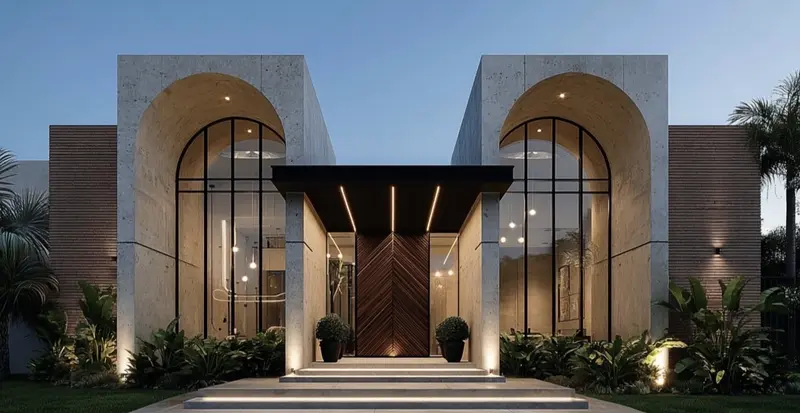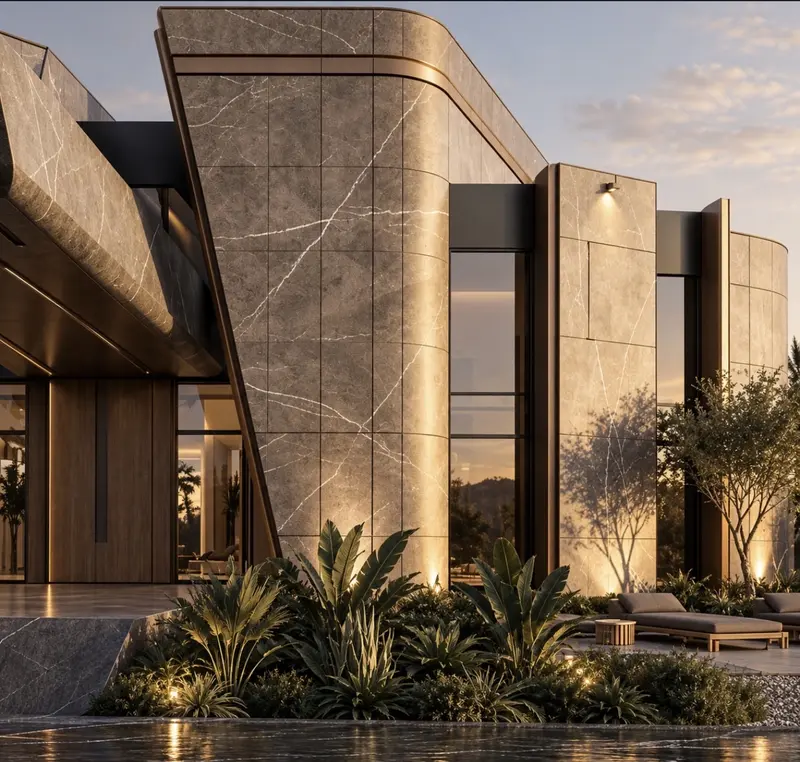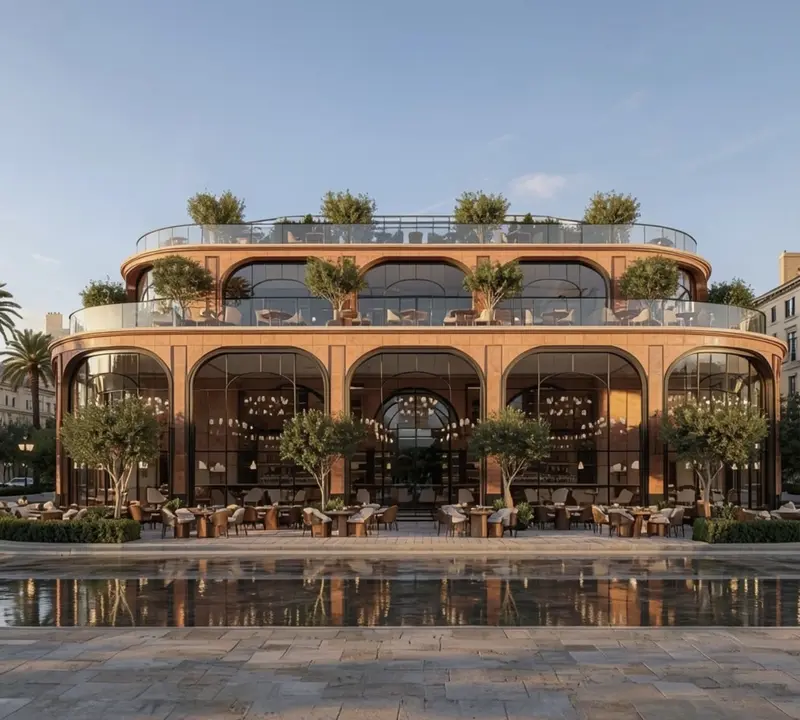
Property buyers no longer form a view of a project from a printed brochure or a few still images. They want to see the place, feel the spaces and picture daily life in the unit before visiting the sales centre. Video comes closest to an actual visit, conveying what words struggle to describe: the view, the light, the flow between rooms and the character of the surrounding neighbourhood.
As residential and commercial launches accelerate across the Kingdom in the Vision 2030 era, video has become a core part of any serious project marketing plan. Its value, though, comes not from simply producing it but from choosing the right format for each project stage, each platform and each buyer segment.
Why Video Works So Well for Real Estate
Buying property is a large, complex decision that demands trust. A photo shows a moment; a video shows a sequence, walking the viewer from the entrance to the living room to the balcony and giving a true sense of scale. It can also show what a still image cannot: sunlight moving across a facade, proximity to main roads, the calm of the district.
Video also lets the developer speak in their own voice about the project vision, quality standards and team. That human element matters most in off-plan sales, where the buyer is essentially purchasing confidence in the developer's ability to deliver.
Video Types by Project Stage
Pre-Launch
With nothing built yet, content relies on 3D animated walkthroughs and aerial footage of the site and its surroundings, showing how the project connects to landmarks and services. A short message from a company leader explaining the concept adds credibility.
Construction
Progress videos become a powerful reassurance tool. Regular updates showing actual construction, site safety and material quality tell current and prospective buyers the project is moving seriously. Time-lapse footage can compress months of work into a minute.
Completion and Handover
Once show units and amenities are ready, filmed walkthroughs and videos of shared facilities such as landscaping, gyms and children's areas take centre stage. Genuine owner testimonials, recorded with consent, can be added at this point.
Choosing the Right Format for Each Platform
A video that works on a sales-centre screen may fail as a social ad. Plan for each platform at the production stage, not just at publishing:
- Short social ads: vertical, fast clips that grab attention in the first seconds, show one clear idea and invite contact.
- Landing page and website: a mid-length overview of the full project, embedded so it does not slow the page.
- Sales centre and exhibitions: longer, higher-quality presentations for large screens that support the sales consultant's conversation.
- Direct client communication: short clips per unit type that can be shared on WhatsApp with interested buyers.
- Professional platforms: content focused on the developer's expertise and partnerships, aimed at investors and partners.
What Makes a Strong Property Video
Clarity comes first: viewers should know within seconds what the project is and where it is. Honesty is next: heavy effects or scenes that do not reflect reality may attract attention but damage trust when the buyer visits the site. Technical quality, including lighting, stable movement, clean sound and careful colour grading, reflects on the developer. Finally, every video needs a clear call to action. That is why projects benefit from a specialist in corporate video production who understands property, not just a camera crew.
Integrating Video With Photography and Campaigns
Video sits within a broader visual system that includes project photography, 3D visuals and print. Planning combined shoots keeps the visual identity consistent and saves time and cost. Video should also feed the ad plan: view-through data reveals audience interest and can build retargeting audiences for more focused ads, making video a measurable part of real-estate project marketing.
Common Mistakes to Avoid
Typical errors include overly long videos on platforms that reward brevity, music and effects that drown out information, and missing on-screen captions even though many people watch without sound. Relying on a single video for the project's entire life also makes content feel stale, while the project itself keeps evolving.
Conclusion
Video is not decoration in property marketing; it is a primary way to convey experience and build trust. Planned around project stages, tailored to each platform, produced with quality and honesty, and connected to campaign measurement, it becomes one of the strongest tools for helping buyers decide with confidence.
Planning a project launch and need visual content that reflects its real value? Tashweeq combines real-estate sector experience with professional production. Request your proposal and we will build a video plan around your project.